Kay Hare Art Paintings, exhibitions and the making of them

Kay Hare Art

Paintings, exhibitions and the making of them

Latest Articles

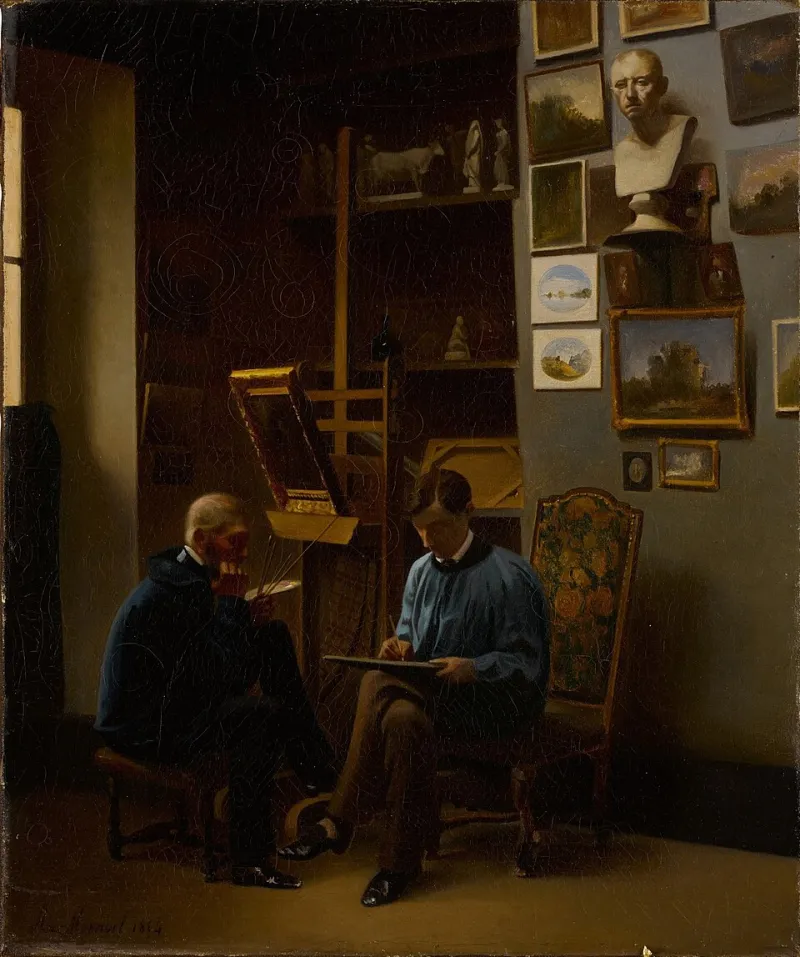
The Room, the Ramble and the Brief: How a Commission Really Begins
Studio Notebook

The Room, the Ramble and the Brief: How a Commission Really Begins

Most commissions start with an apologetic email, a phone photograph of a sitting room and a sentence that trails off. Here is how those half-formed wishes become a workable brief — and what to expect before any paint is mixed.
The Bench Angle: What Six Minutes of Sitting Does to a Painting
Exhibitions

The Bench Angle: What Six Minutes of Sitting Does to a Painting

A gallery bench is not just somewhere to rest your legs. Sit down for a few minutes and a painting starts to behave differently — colour settles, scale reveals itself, and the composition stops shouting. Here are a few notes on why the humble seat deserves a place in small UK shows, and how to choose one without turning the room into a waiting area.

The Name After the Paint: How a Canvas Gets Its Title
Studio Notebook

The Name After the Paint: How a Canvas Gets Its Title

A title can welcome a viewer in, send them down a side road, or politely step out of the way. In the studio, naming a painting is rarely a single stroke of genius — more often it is a slow negotiation between what the work looks like, what it remembers, and what it needs to be called on a wall label.

The Name in the Corner: Notes on Signing, Dating and Leaving a Painting Alone
Studio Notebook

The Name in the Corner: Notes on Signing, Dating and Leaving a Painting Alone

Where the signature goes, why some pieces leave the studio with only initials, and what a date on the reverse actually says to a collector. A studio-side look at the small decisions that finish a painting.

Paper Companions: The Small Packet That Leaves With a Painting
Studio Notebook

Paper Companions: The Small Packet That Leaves With a Painting

When a painting goes out into the world, it rarely travels alone. Tucked beside the canvas is usually a modest folder of notes, instructions and handwritten lines — the paperwork that helps a painting keep its story. Here’s what tends to be inside, why it matters, and how to look after it once the wrapping comes off.

The Flat Little Envoy: What Happens When a Painting Goes Through a Lens
Studio Notebook

The Flat Little Envoy: What Happens When a Painting Goes Through a Lens

A painting photographed is a painting translated — and something always gets lost between the easel and your screen. Here is what the camera quietly adjusts, what your display decides for you, and how to read a JPEG with a collector's honest eye.

The Last Look Before the Wrapping Paper: A Painting’s Leaving Portrait
Studio Notebook

The Last Look Before the Wrapping Paper: A Painting’s Leaving Portrait

A finished painting deserves one careful photographic record before it heads to a buyer, gallery or framer. Here’s how I shoot the leaving portrait — and what collectors should ask for when the work arrives.

The Empty Hook: What It Takes to Send a Painting Out on Loan
Exhibitions

The Empty Hook: What It Takes to Send a Painting Out on Loan

A loan request is flattering, practical and slightly unnerving all at once. Here is what happens between the email and the empty hook on the studio wall, from condition reports and crates to the odd quiet of a painting being elsewhere.

When the Room Empties: A Painter’s Notes on the Gallery’s Last Ten Minutes
Exhibitions

When the Room Empties: A Painter’s Notes on the Gallery’s Last Ten Minutes

The final minutes of a gallery day are often treated as admin time — coats on, keys out, tea urn switched off. But when the footfall drops and the lights begin to settle, paintings can be seen in a different register. A calm look at what the closing room offers artists, invigilators and collectors.

Sweepings, Blue Chips and Curled Tape: A Studio Floor’s Own Notes
Studio Notebook

Sweepings, Blue Chips and Curled Tape: A Studio Floor’s Own Notes

A season of sweepings beneath the easel turns out to be a second sketchbook: dried flakes, tape curls and offcuts that record revisions the finished painting hides. This is a collector’s guide to reading studio debris without turning it into a museum label.

The Kettle First, Then the Canvas: A Collector’s Guide to Visiting a Working Studio
Studio Notebook

The Kettle First, Then the Canvas: A Collector’s Guide to Visiting a Working Studio

A studio visit is not a gallery appointment with better lighting. It is a working room, a conversation, and often a kettle. Here is a practical, welcoming guide for UK collectors preparing to see paintings where they were made — what to expect, what to ask, and why the birthplace of a painting changes how you see it.

The Six-Inch View: What a Painting Keeps for the Very Curious
Studio Notebook

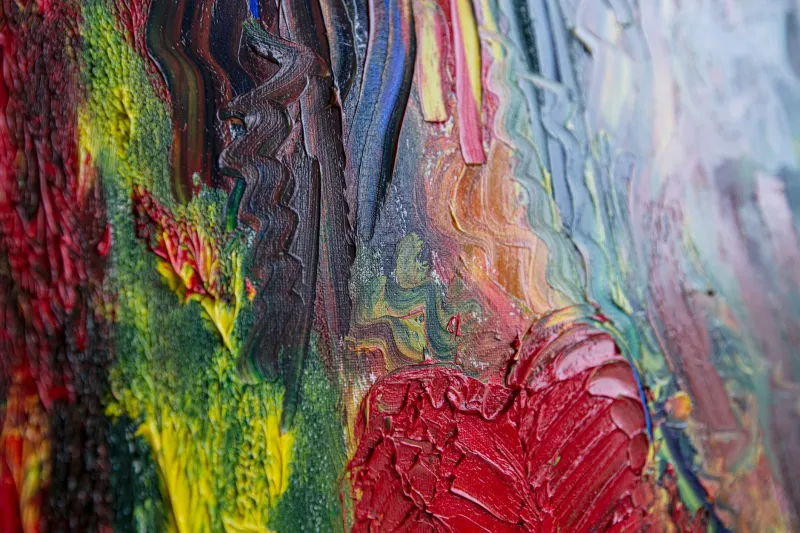
The Six-Inch View: What a Painting Keeps for the Very Curious

Standing back is only half the story. At six inches, a painting gives up its brushwork, its happy accidents and the small decisions that never survive a room-distance glance. A studio note on building pictures for both readings — and on helping gallery visitors lean in without feeling watched.

What the Finished Painting Is Sitting On
Studio Notebook

What the Finished Painting Is Sitting On

Before a canvas gets its final surface, it has a first hour — a warm ground, a rough sketch, sometimes an abandoned composition. I photograph those layers before they vanish, because they quietly explain the painting that ends up on the wall.

The Moulding Makes Its Case: Letting a Painting Audition for a New Edge
Studio Notebook

The Moulding Makes Its Case: Letting a Painting Audition for a New Edge

A frame can be a loyal room or a tired argument. These are studio notes on knowing when a painting needs a new edge, how to choose one that stays quiet, and where to find useful secondhand moulding in the UK without turning the search into a side hustle.

Little Rooms, Big Presence: Living with Small Paintings
Studio Notebook

Little Rooms, Big Presence: Living with Small Paintings

Small paintings are not warm-ups or footnotes. They are complete works with their own scale, presence and practical demands. A studio-side look at making, framing and hanging little canvases in British homes where walls are shared with radiators, shelves and real life.

The Quiet Card: Making Wall Labels That Let Paintings Breathe
Exhibitions

The Quiet Card: Making Wall Labels That Let Paintings Breathe

A wall label should steady a viewer, not steer them. Here’s a practical guide to writing concise exhibition text for Kay Hare paintings — enough process, enough hare, and enough silence to let people look for themselves.

Turn It Over: Reading the Reverse of a Painting
Studio Notebook

Turn It Over: Reading the Reverse of a Painting

The front of a painting gets the attention, but the back is where the paperwork of a life in art quietly accumulates. A practical, slightly nosy guide to signatures, gallery stickers and studio scribbles — and why UK collectors should photograph them before anything else.

The Wall Has Weather: Hanging Paintings in British Light
Studio Notebook

The Wall Has Weather: Hanging Paintings in British Light

British daylight is never a fixed setting. It shifts from silver to glare in an afternoon, and a painting can change with it. Here is a practical, room-by-room way to test a wall before you drill, and to ask the right questions about glass, varnish and spotlights.

The Cappuccino Critique: When a Painting Meets People Who Didn’t Come for Art
Exhibitions

The Cappuccino Critique: When a Painting Meets People Who Didn’t Come for Art

A small painting, a café wall and an audience with no intention of looking at art. Loaning work beyond the gallery reveals plenty about lighting, labels, subject matter and why the most casual reactions can be the most useful.

The Case for the Blank Wall: Giving Paintings Room to Speak
Exhibitions

The Case for the Blank Wall: Giving Paintings Room to Speak

Every exhibition needs a wall that isn’t doing very much — and most shows would be better for it. An opinionated, practical case for breathing room, slower visitors and the quiet painting that gets to hold a room.