Kay Hare Art Paintings, exhibitions and the making of them

Kay Hare Art

Paintings, exhibitions and the making of them

Latest Articles

Count the Canvas, Then Count the Cost: How a Painting Gets Its Price
Studio Notebook

Count the Canvas, Then Count the Cost: How a Painting Gets Its Price

A painting's price is not a dare or a secret handshake. It is a working number made from materials, time, framing, exhibition costs and a hundred small decisions. Here is a candid look at how the figure gets built — and how to ask about it without the awkwardness.


When the Studio Door Stays Open: Notes from a Working Weekend
Studio Notebook

When the Studio Door Stays Open: Notes from a Working Weekend

Opening a working studio to the public is not the same as hanging a gallery show. It is a day of wet paint, odd questions, half-finished canvases and surprising conversations. Here is what I have learned about preparing the room, showing unfinished work and keeping the studio yours afterwards.

The Comments We Keep: Reading Between the Lines of a Gallery Guest Book
Exhibitions

The Comments We Keep: Reading Between the Lines of a Gallery Guest Book

Gallery guest books are part confession, part doodle pad and part honest feedback form. The comments people leave when they think no one is reading reveal plenty about how paintings are experienced in the UK. The trick is to take the useful notes without letting every scribble rearrange the studio.

The Boot-Space Syllabus: Packing Paintings for a UK Gallery Run
Studio Notebook

The Boot-Space Syllabus: Packing Paintings for a UK Gallery Run

Every exhibition begins with a small act of logistics: measuring a boot, borrowing a trolley and hoping the weather holds. Here is a painter’s packing list for moving work around the UK, from foam corners to insurance paperwork, with the boot-space maths included.

Before the First Footstep: Making the Most of a Gallery’s Early Hour
Exhibitions

Before the First Footstep: Making the Most of a Gallery’s Early Hour

The first hour of a gallery day has a different texture: fewer voices, more space, and paintings that seem willing to be looked at properly. This is a painter’s guide to planning a quiet visit in the UK in 2026, from timetables and tickets to the details worth noticing first.

A Sky Full of Greys: Choosing Colour in a British Studio
Studio Notebook

A Sky Full of Greys: Choosing Colour in a British Studio

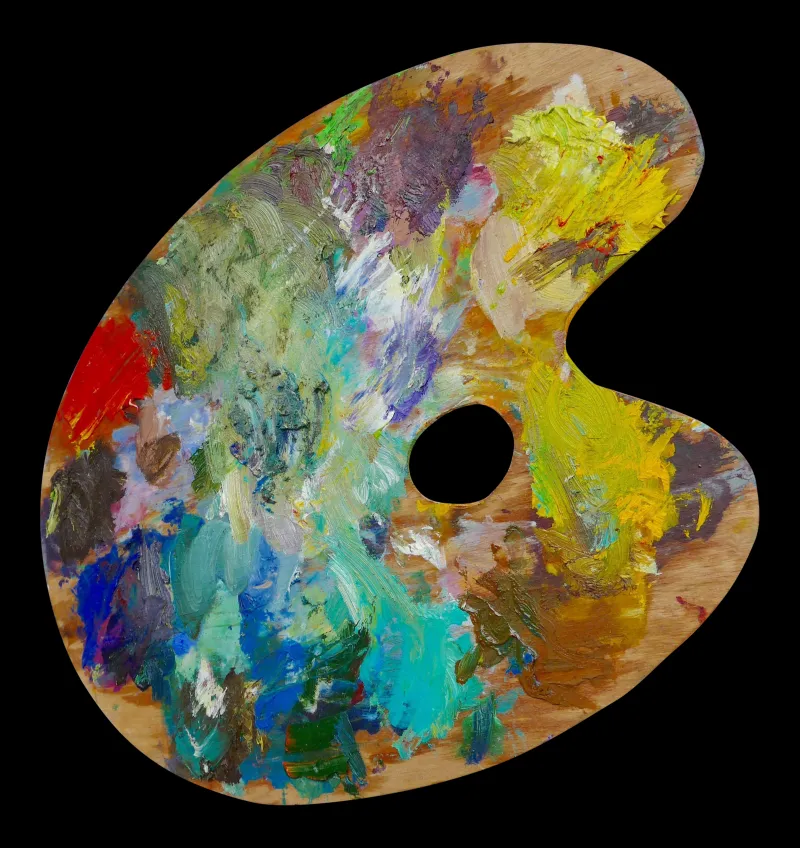
British daylight is not one thing, and it changes what a painting seems to be. This is how overcast skies, warm whites, muted greens and the three-light test shape the work in Kay Hare’s studio — and what collectors can learn from viewing a painting at different times of day.

After the Private View: A Calm Guide to Buying Art in the Weeks That Follow
Exhibitions

After the Private View: A Calm Guide to Buying Art in the Weeks That Follow

The preview night gets the attention, but the weeks afterwards are when collectors usually make their best decisions. Here is a practical, low-pressure guide to revisiting a painting, asking the right questions and knowing when a commission makes sense.

Field Notes and Long Ears: The Hare That Keeps Coming Back to My Easel
Studio Notebook

Field Notes and Long Ears: The Hare That Keeps Coming Back to My Easel

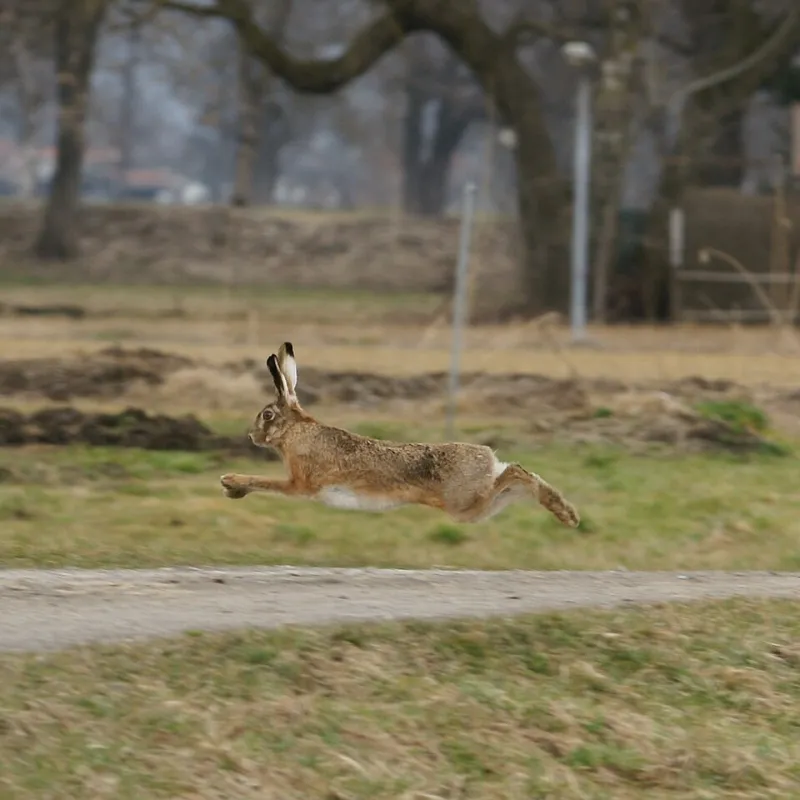
A hare drawn in six hurried lines has a way of staying with you. This studio notebook looks at why the hare keeps returning to my paintings, how field sketches and British folklore feed into the work, and what collectors and gallery visitors might spot when they look a little closer.

The Wall Test: What Survives the Studio, the Frame and the Final Hang
Exhibitions

The Wall Test: What Survives the Studio, the Frame and the Final Hang

Choosing paintings for a show is not a matter of picking the best ones and stopping there. This behind-the-scenes look explains the wall test, the sequencing decisions and the small curatorial choices that turn a group of paintings into a coherent exhibition ahead of the 2026–27 cycle.