The Kettle First, Then the Canvas: A Collector’s Guide to Visiting a Working Studio
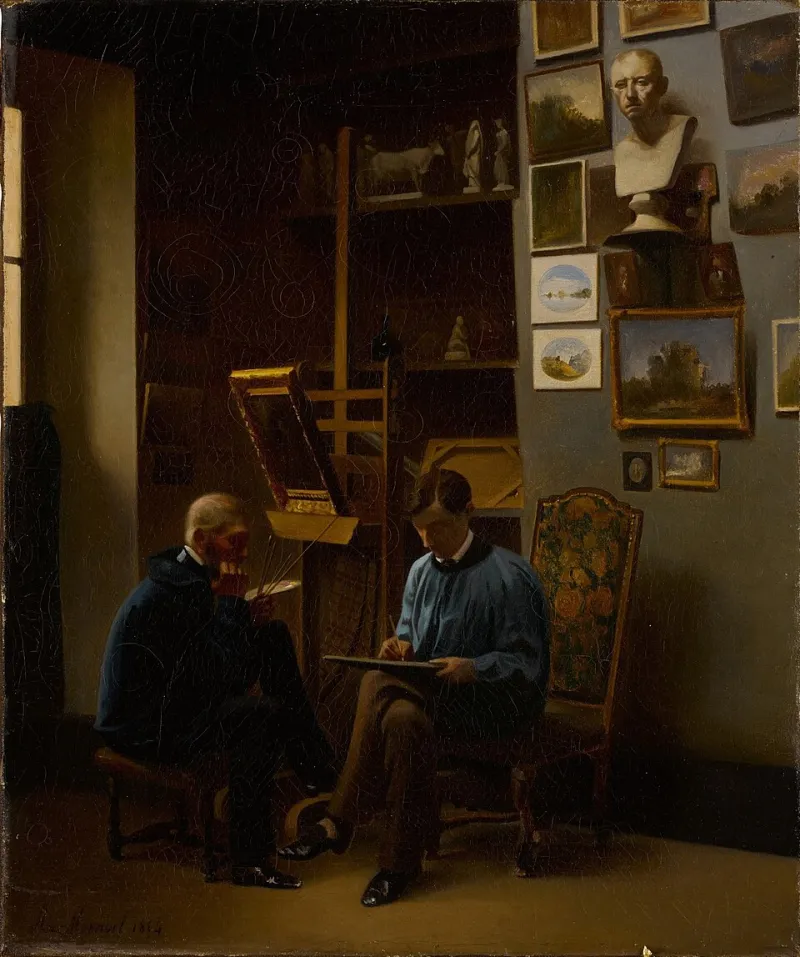
Photo: Auguste Monvel (Auguste or Augustin Boutet de Monvel (1813-1896), French painter and photographer active in Orléans, Public domain, via Wikimedia Commons
There is a particular sound a studio makes before anyone says hello. The click of a kettle, the shuffle of a drop cloth, the faint tick of a radiator that has been asked to do too much. If you have only ever met paintings in a gallery — white walls, quiet shoes, a label with a neat paragraph — the first visit to the place where they were made can feel like being let in through the side door of a theatre. That is the point.
A studio visit is not a test. It is a conversation with weather in it. Here is a calm, practical guide for UK collectors and gallery visitors who are about to make one.
What You Are Actually Walking Into
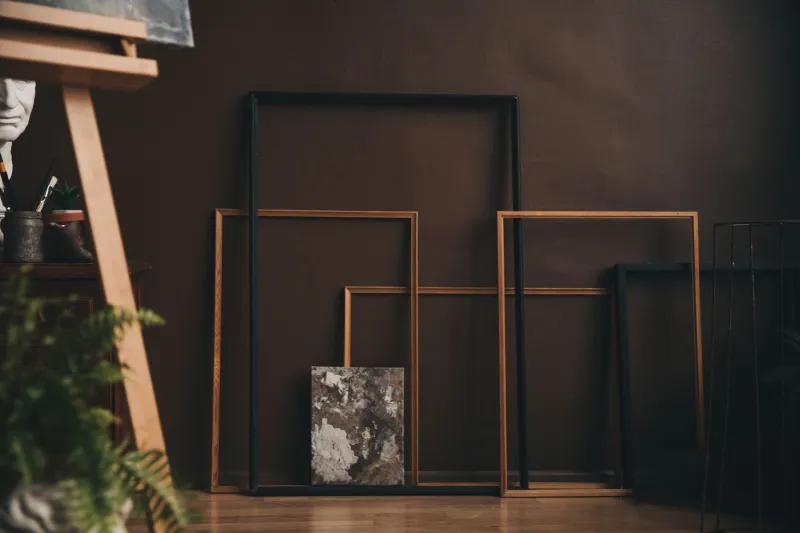
A working studio is not a showroom. Paintings may be leaning against a cupboard, stacked in a drying rack, or turned to the wall because they are not finished arguing with themselves yet. There will be sketches, failed attempts, jars of murky water, and a chair that has clearly been sat on for a decade. The painting you loved in an exhibition might look different here — smaller, larger, brighter, or more uncertain. That is normal. You are seeing the workshop, not the shop window.
Expect smells. Linseed, turpentine, coffee, maybe a faint ghost of biscuits. Expect the artist to be mid-thought. If the studio is in a terraced house, a converted garage, or a room above a shop, the scale of the space will tell you something about the scale of the work. British light comes through British windows, and it is rarely neutral. That matters more than you might think.
Before You Set Off
Ask for directions and a realistic travel time. A studio can be five minutes from a train station or down a farm track that demands faith in your satnav. If you are coming by train, say so; the artist may offer to meet you or suggest the right exit. If you need step-free access, ask in advance rather than hoping for the best. Parking on a narrow street is its own art form.
Wear something you would not mourn if it picked up a smudge. Bring a notebook and a pencil, and leave the enormous handbag at home if you can. A studio is a place of sharp corners and wet surfaces. Rings, sleeves, and curiosity all need watching.
The First Five Minutes
Let the artist lead. Do not launch into a declaration of intent to buy before you have said hello to the room. Look at what is out. Ask what they are working on. If a painting is turned away, ask whether it is drying or simply not ready for visitors. The kettle is part of the tour. Accept the tea.
This is also the moment to notice your own reactions. A painting that seemed quiet in a gallery may feel raucous beside three unfinished siblings. Another that looked modest online may have a surface you could fall into. The studio gives you a second first impression.
Questions Worth Asking
Good questions are specific and generous. Try: What were you trying to solve in this painting? What changed between the first version and this one? Which piece here surprised you? How do you choose a frame, and does the frame change the painting? What should I know about caring for this in a British flat — light, damp, radiators?
It is also fine to ask to see the back of a work. Titles, dates, and old labels are part of the story. And if you are thinking about buying, ask how the work should travel, whether it needs time to dry, and what the receipt will say. These are practical questions, not rude ones.
“How long did it take?” is not a crime, but it rarely gets you very far. “Which stage was hardest?” usually gets you a better answer.
What Not to Do
Do not touch wet paint. Do not move canvases without asking. Ask before taking photographs, especially of unfinished work. Do not treat the clutter as a moral failing; it is the equipment of a working mind. Do not bring a dog unless you have checked first. And do not ask for a discount in the first five minutes. A studio visit is a relationship, not a car boot sale.
Why the Birthplace Changes the Painting
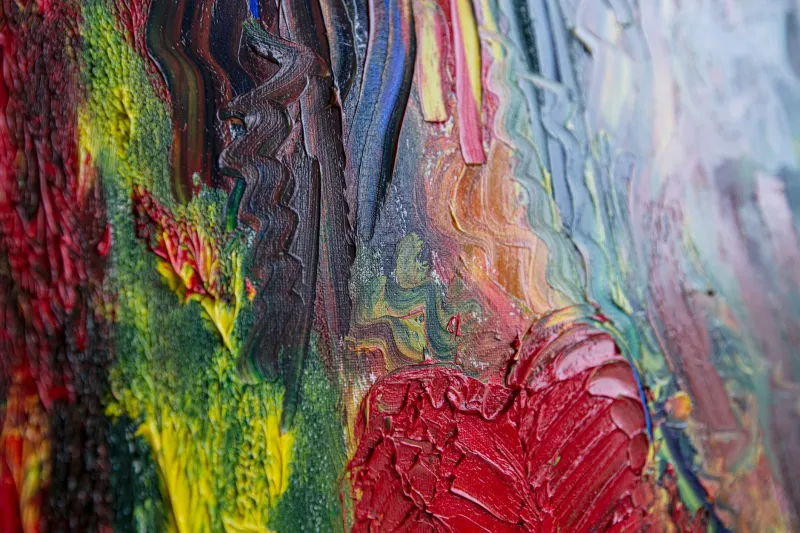
Seeing a painting where it was made gives you context that a gallery label cannot. You see the scale of the room, the light the artist actually works in, the sketches that led somewhere, and the near-misses that did not. You notice the edge of the canvas, the revisions, the stack of boards in the corner. You understand that a painting is not a finished object that appeared fully formed, but a series of decisions made on a particular day in a particular room.
That knowledge does not make you a better buyer. It makes you a more attentive viewer. And attentive viewers tend to live well with art.
If You Decide to Buy
Ask about payment, delivery, and timing. Ask whether the painting can leave straight away or needs to settle. If you are travelling by train, be honest about what you can carry. Ask for the provenance and care notes. A good studio visit ends with clarity on both sides, not a vague promise to be in touch.
Leaving Well
Thank the artist, follow up by email, and do not disappear. If you are not buying, say what stayed with you. That is useful information, and it is a kindness. The kettle goes back on. The door closes. The painting stays where it was made, waiting for its next room.