The Room, the Ramble and the Brief: How a Commission Really Begins
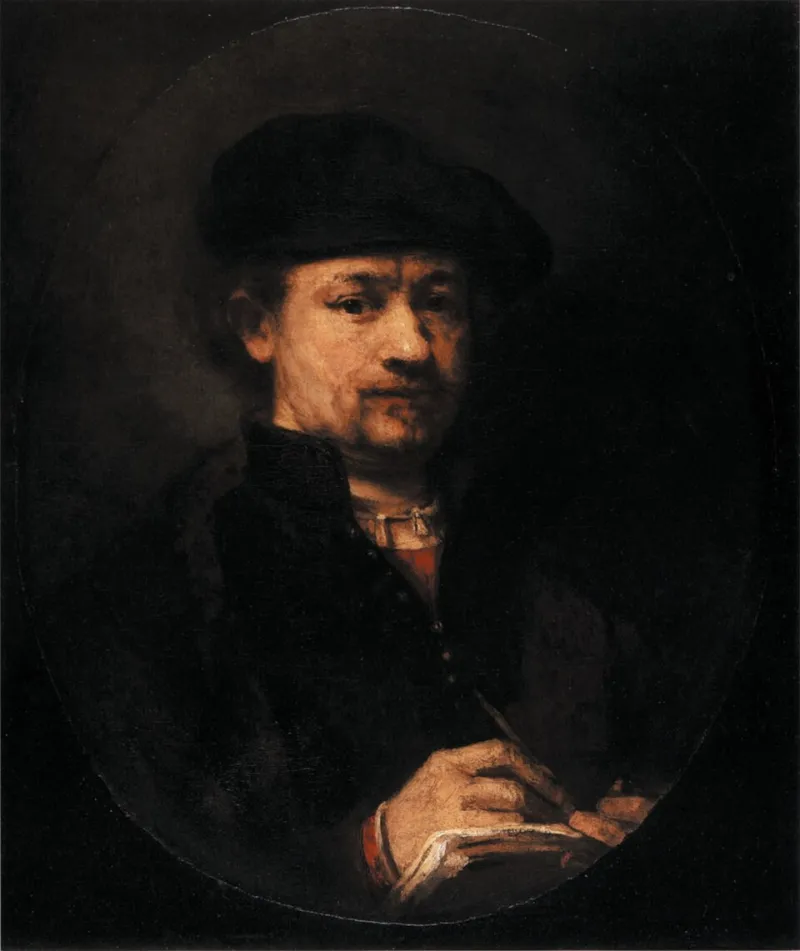
Photo: anonymous , Public domain, via Wikimedia Commons
Most commissions do not begin with a pencil. They begin with an email that apologises for itself. 'I hope this isn’t a silly question,' it says, 'but I’ve been looking at the painting above the sofa for eleven years and I think I’d like something else there.' Or: 'We’ve moved to a house with a very long wall and I don’t know where to start.'
That is the real opening line. Not a sketch, not a colour chart, not a deposit. A person standing in a room, looking at a space, trying to describe a feeling they have not quite had yet. My job at this stage is less painter than listener. The first conversation is where the commission is really made — or quietly unmade, which is just as useful.
The email that begins with an apology
People often apologise for their first message. They apologise for the photograph quality, the clutter in the corner, the fact that they do not know the difference between a canvas and a board. None of that matters. A commission is not an exam. It is a conversation about a room, a budget and a wish, and it works best when nobody pretends to be an art director.
What I need early on is simple: rough wall measurements, a photograph or two, and an honest sense of what the painting is for. Is it the thing you see when you come downstairs? A backdrop to a favourite chair? A marker for a birthday, a move, a retirement? The answer changes the scale before it changes anything else.
What the room photographs actually tell me
A phone photograph is a flawed witness, but it is still a witness. I look for the light first — which wall catches the morning, which one goes grey by four o’clock, whether there is a lamp glaring off a glossy surface. British light is its own character: soft, changeable, sometimes stingy. A painting that sings in a Cornwall holiday cottage may sulk in a north-facing London flat.
Then I look at what is already there. The sofa, the rug, the wood of a door frame, the one bold cushion someone was given and cannot quite justify. None of these things dictate the painting, but they are part of its future company. I would rather know about the aubergine wall before I fall in love with a pale grey.
This is also where the awkward bits surface. The wall may be smaller than it looks. The ceiling may be low. The staircase may refuse a large stretcher. A Victorian terrace, a new-build partition and a stone cottage wall all have different opinions about hanging. Better to hear those opinions now than on delivery day.
The half-sentences are useful
Collectors often arrive with a sentence that trails off. 'Something calm, but not boring.' 'Like the sea, but not a seascape.' 'I want it to feel like Sunday morning, if that makes sense.' It does make sense, usually. It just needs translating.
I ask what the painting should do to the room, not what it should look like. Should it quieten the space? Wake it up? Give the eye somewhere to rest? I also ask what would disappoint them. That question is often more revealing than 'what do you want?' — because it lets people name the thing they are afraid of: something too sweet, too dark, too busy, too much like the one they already own.
Colour swatches help, but not as orders. A paint chip, a photograph of a favourite mug, a scrap of fabric — these are clues, not instructions. I will not match a sofa. I will try to make a painting that can live near it without either one losing its nerve.
Scale before style
The first hard decision is usually size. A painting is not a poster; it has weight, edge, presence. Too small on a big wall and it looks like a lost button. Too large in a small room and the room stops breathing. There is no formula, only a bit of trial. I often suggest cutting a piece of paper or cardboard to the proposed size and taping it to the wall for a day. Live with the shape. Walk past it in the dark.
Orientation matters too. A portrait canvas can make a low room feel taller; a long landscape can stretch a narrow wall. These are practical decisions, not mystical ones. They also affect cost, framing and whether the thing will fit in a car. A commission should be beautiful, but it should also get through the door.
The brief that is not a contract
By the end of the first conversation, I like to have a one-page brief. Not a novel. It records the size, orientation, general palette, mood, deadline, budget and deposit. It leaves room for the painting to surprise us both. If the brief becomes a colour-by-numbers sheet, the painting is already dead on arrival.
I am clear about timeline. Paintings need drying time, varnishing time, framing time and the occasional period of being stared at suspiciously in the corner. A commission is not a takeaway. I also set out the deposit before anything begins: it covers materials and studio time, and it means the diary is genuinely booked. The details are agreed in writing, so nobody has to rely on memory or good manners.
Revisions are discussed early too. One round of notes at an agreed stage is sensible. Endless small changes are not a painting; they are a group project. The aim is a painting that belongs to the collector, not one that has been argued into submission.
The first viewing is a conversation, not a verdict
When the painting is ready to be seen, I prefer a studio visit if possible. If not, a video call with proper light and a slow pan is better than a rushed phone snap. The first viewing is not a court hearing. It is a chance to notice what the painting does in the room of your attention. Sometimes the thing you expected is not the thing you needed.
If something feels wrong, say so plainly. 'The horizon is too high' is more useful than a polite silence. A good commission can survive honest notes. It cannot survive everyone pretending.
What to bring to the first conversation
Bring measurements, photographs, a colour you love, a colour you cannot live with, a deadline if you have one, and a budget range if you can. Bring the awkward sentence that trails off. Bring the question you think is silly. The first pencil line comes later. The first real mark is the conversation.
If you are thinking about a commission this winter, start with the room and the ramble. The brief can follow. You can send the first apologetic email through kayhare-art.com — clutter in the corner and all.