When the Studio Door Stays Open: Notes from a Working Weekend
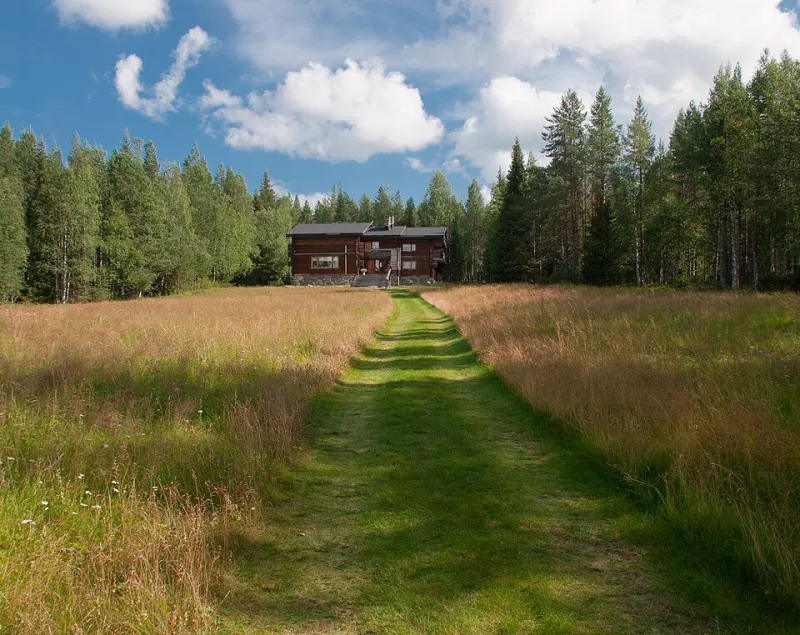
Photo: Heikki Immonen, CC BY 3.0, via Wikimedia Commons
An open studio is not a gallery show with the walls pushed back. A gallery show is a finished sentence. An open studio is the kitchen table where the sentence was argued over, spilled on and rewritten. That is the appeal, and that is the problem. When strangers walk into your working day, they see the good brush, the bad coffee, the painting you have been avoiding since Tuesday. In 2026, with art trails stretching from church halls to converted barns across the UK, more painters are opening their doors than ever. It can be brilliant. It can also feel like inviting the whole village into your sketchbook.
A show and a shift are different things
A formal gallery show has a private view, a hang, a label system and a clear end. Everyone understands the rules. The paintings are finished, the floor is swept and the artist is either presentable or safely elsewhere. An open studio is closer to a shift. People arrive in coats, ask where the toilet is, comment on the smell of linseed oil and stand very close to a canvas that is still tacky. You are not performing a finished version of yourself. You are simply there, working, with the door propped open.
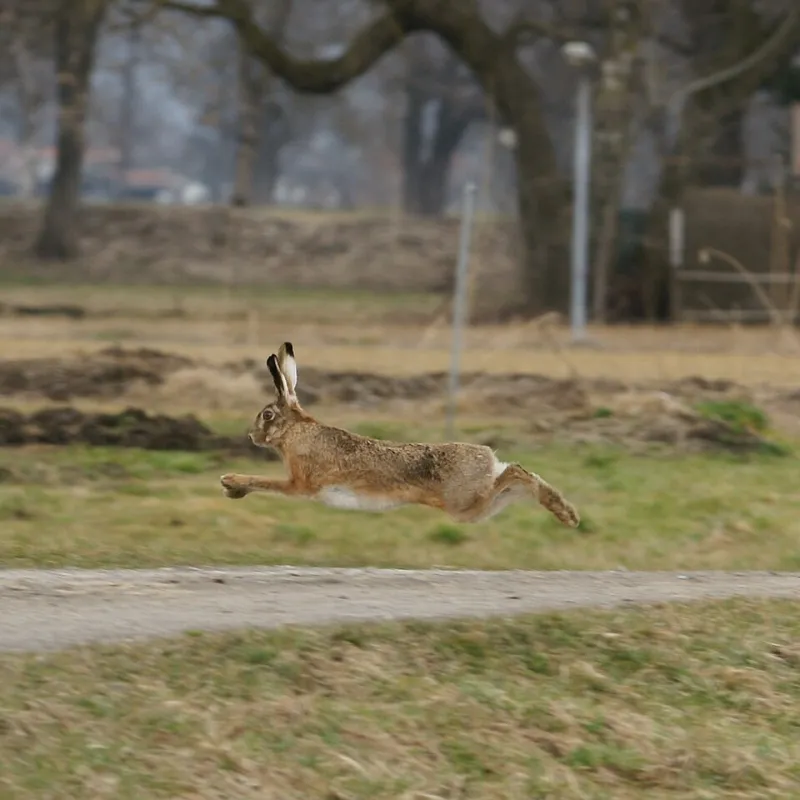
That is exactly why people come. They want to see the real room. They want to know how the paint gets onto the board, why one hare has three legs in the sketch and four in the final painting, and what you do with all the failed ones. The trick is to give them enough of the working space to satisfy that curiosity without turning your studio into a public thoroughfare for the whole weekend.
Prepare a route, not a showroom
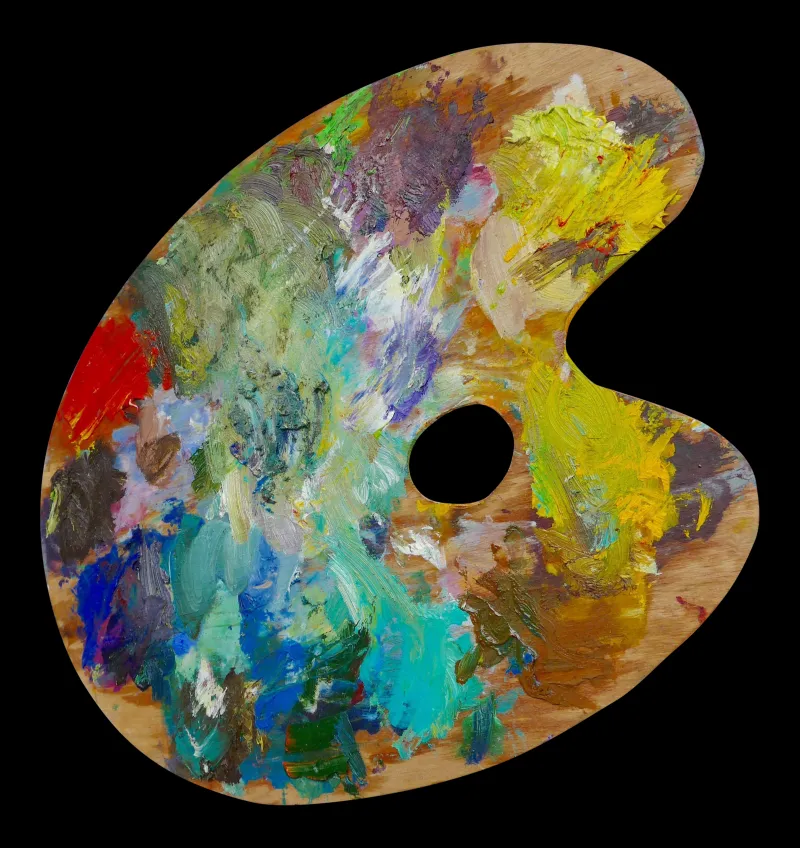
The first temptation is to tidy everything. Resist it. A studio that looks like a showroom is a studio that has lost its pulse. Visitors are not stupid. They can tell the difference between a working space and a stage set. Clear a path, not the whole room. Make sure people can move without stepping over a wet palette or backing into a drying rack. Put the sharp things away. Tape down the cable you have been meaning to tape down since March.
Have a simple price list, a card reader and a notebook. Not because every visitor is a buyer, but because the ones who are will appreciate not having to ask three times. Keep the labels small and honest. If a painting is part of a series, say so. If it is an experiment, say that too. A little information goes a long way, especially in a room where the smell of turpentine is doing half the talking.
It also helps to decide your hours before you announce them. A full weekend sounds heroic until you are three hours in, answering the same question about commissions while someone's dog investigates your roll of masking tape. A half-day is a perfectly respectable first event. Share the building with another artist if you can. A second person makes the tea, reads the room and gives you permission to take a break.
Showing the unfinished ones
Unfinished paintings are the whole point of an open studio, but they need a little framing. Not literal framing. A sentence or two. 'This one is still deciding what it wants to be' is enough. 'I am working back into the sky' works too. What you do not need to do is apologise. The half-finished painting is not a failure of hospitality. It is the reason some visitors drove twenty minutes down a B-road.
Choose one or two working pieces to leave out. Not every abandoned canvas and not the private thing you cannot talk about yet. Put those away. There is no rule that says the public must see every stage of your process. An open studio is a window, not a confession booth.
If you like demonstrating, do it. A few brushstrokes on a scrap board can hold a small crowd longer than a finished painting. People love seeing underdrawing. They love hearing that the grey sky is not one grey but four. They also love being told, gently, that the wet canvas is not for touching. A small sign saying 'wet paint, please look with your eyes' does more work than a nervous hover.
The conversations you cannot rehearse
There are the practical questions: where is the loo, do you sell, how long did that take, can I take a photo, do you teach, have you tried selling online. There are the odd ones: is it a hare or a rabbit, why so much grey, did you mean to leave that bit blank, my aunt paints but she does it properly. There are the confessions: I cannot even draw a stick figure, I used to paint but life got in the way, I have never been to a gallery before. And there is always someone who tells you about a course they once did in a village hall.
None of it is an exam. You do not have to defend the work or explain your whole practice. A short answer and a question back usually keeps things kind. 'How long did it take' can be met with 'this one took weeks, but the thinking took longer'. 'Why so grey' can be met with 'I like what grey does to the other colours'. If a conversation starts to drain you, excuse yourself to check the kettle. The kettle is a legitimate studio tool.
Some visitors will say nothing at all. They will look, nod and leave. That is not a verdict. It is just a visit.
Advice for a first open studio
Do less than you think you should. Put out fewer paintings, not more. Price clearly. Keep a notebook for the questions people repeat, because those are the ones your labels should answer next time. Have a friend on standby. Take a proper lunch break. Do not measure the day in sales alone. Some of the best conversations do not end with a receipt.
And when the last visitor has gone, write down three things: the question you heard most, the painting people kept returning to, and the one small change you would make to the room. Then close the door. The studio has to remain yours, even after you have let everyone in.