The Homecoming Checklist: Caring for Work Once the Show Is Over
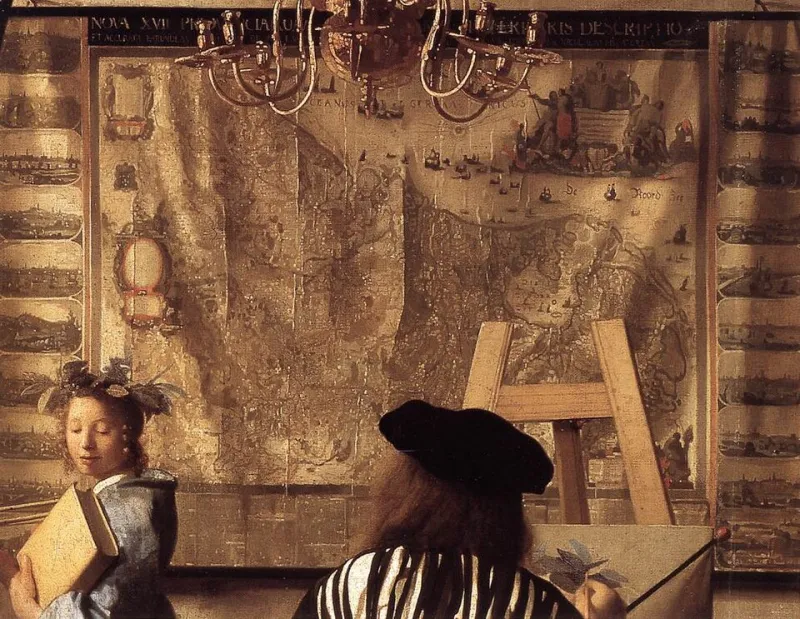
Photo: Johannes Vermeer, Public domain, via Wikimedia Commons
The last visitor has gone. The invigilation rota has been folded into a drawer. The private view glasses have been counted back into their crrates, and the gallery has that particular echo it only gets when the walls are bare. In the first week of November 2026, with the autumn exhibition season finally loosening its grip, this is the bit of showing paintings that nobody photographs: the return journey.
It is not glamorous. It is, however, where a good exhibition proves whether it was built on more than good lighting and a decent cheese board. What happens after the labels come down tells you a great deal about how the work has been looked after — and how it will be looked after next.
First, the slow once-over
Before anything is wrapped, the painting gets a condition check in decent daylight. Not a panicked inspection, just a calm one. I look at the frame corners, the rebate where canvas meets wood, the stretcher keys, the edges of the composition where handling marks tend to gather. A torch held at a low angle will show dents and scuffs that ordinary gallery light politely hides.
This is also the moment to photograph the work as it came off the wall, front and back. A condition note does not need to be a legal document. A dated line or two — “small rub to lower frame edge, canvas sound, varnish unchanged” — is enough. If a painting has travelled to a group show or a hired space, compare it with the notes made before it left. Most of the time the differences are tiny. Occasionally they are not, and that is exactly why the notes exist.
A small nick on a frame corner is not a crisis. A mystery dent in the canvas is worth a quiet word with the insurer and a longer conversation with a conservator. The point is not to become precious. The point is to notice.
The journey home is still part of the show
Packing is its own discipline, and by now most of us have strong feelings about glassine, foam corners and the correct amount of tape. The less said about van Tetris the better. What matters is that the painting is not asked to endure a British November in a thin bin bag. Moisture is the quiet enemy: condensation on a cold morning, a damp blanket, a boot that lets in a little more weather than advertised.
Let wrapped work acclimatise before unwrapping it in a warm room. If a painting has spent an hour in a cold van, give it an hour in the hallway. Do not leave it overnight in the vehicle because the studio is full and the sofa is calling. The sofa can wait. The canvas should not.
Storage for a damp little island
Britain is kind to many things. It is not always kind to stored paintings. The enemy is not usually a dramatic flood; it is the slow, steady variation of a spare room, a loft, a garage or a wall that backs onto the outside world. Aim for stable conditions rather than perfect ones. Avoid lofts that swing from baking to freezing, garages that smell of petrol, basements with a tide mark, and any wall with a radiator on the other side.
A simple hygrometer is a worthwhile studio purchase. So is a dehumidifier, used sensibly. Keep paintings upright where possible, separated by acid-free board or padded corners, and never leaning face-first against a rough surface. A breathable cotton sheet is better than a plastic dust sheet; plastic can trap moisture and create its own small weather system. Check stored work every few months, not every five years. A painting that is out of sight should not be out of mind.
Rehanging: the question nobody asks at the private view
Once the work is home, the next question is deceptively simple: where does it go now? Some pieces return to the studio wall. Some go straight to a collector. Some sit in the “maybe” rack, which is a polite name for the corner where paintings go to think. All three are legitimate.
I have learned not to rehang a painting in the same spot immediately. A show changes how you see a piece. A painting that held a long wall in a church hall may feel overexposed in a small studio; one that was crowded by a neighbour may suddenly reveal its full argument when given a metre of space. Live with it for a week. Move it once. Move it again if you need to. The return journey is not just logistical; it is visual.
The admin that follows the applause
Then comes the paperwork. Inventory updated. Condition report filed. Exhibition record amended. Images renamed and backed up. Sales invoices reconciled with the gallery. Loan agreements checked and returns confirmed. Thank-you notes sent to the people who invigilated, wired the lights, lent the stepladders and stood behind the desk on a wet Sunday. None of it is creative work, but it is the work that lets the next creative work happen.
It is tempting to skip this part. The show is over, the kettle is on, and the next body of work is already muttering from the corner of the studio. But a painting’s life is longer than its private view. The return journey is not an epilogue. It is simply the next chapter — quieter, less photographed, and every bit as important.